




EN 81-Compliant Car Top Inspection Control Station for Safe Elevator Maintenance
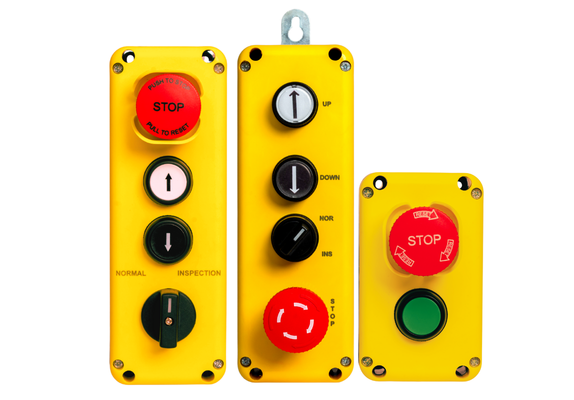
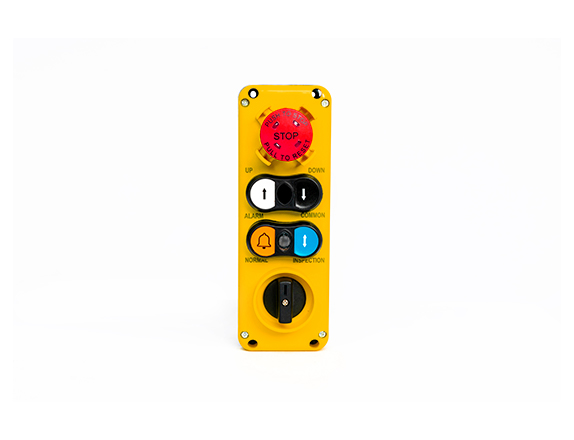
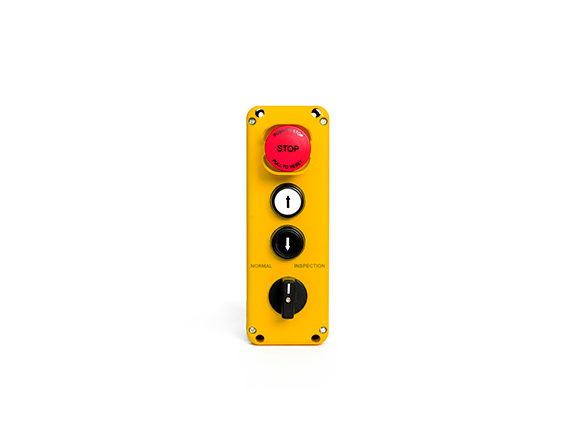
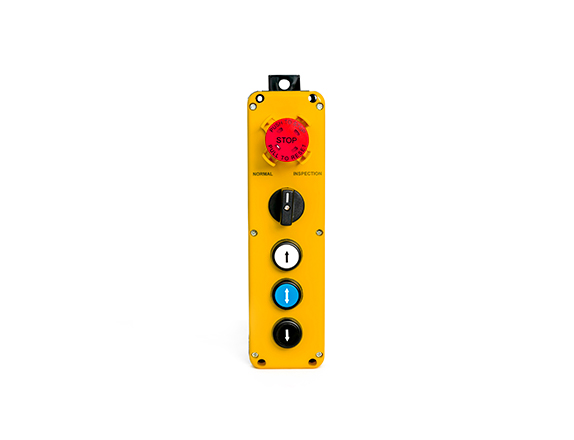
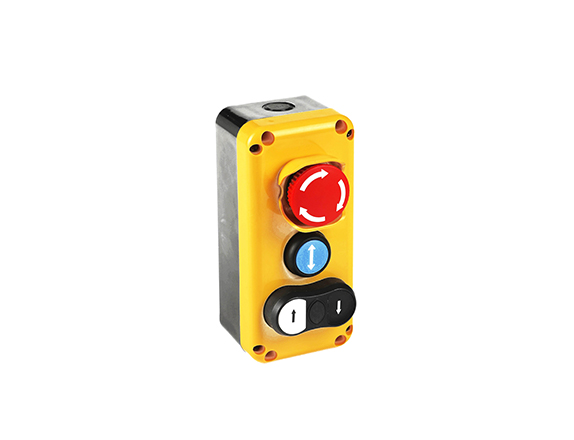
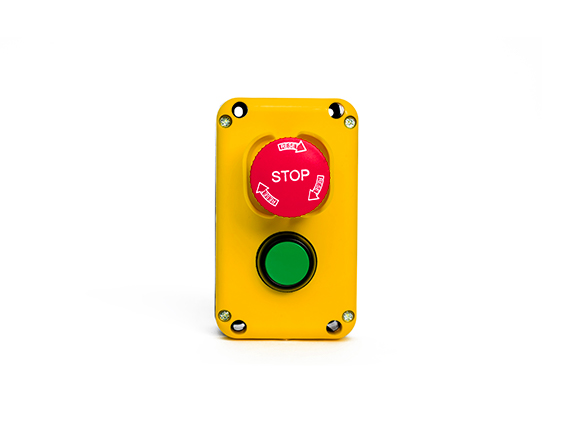
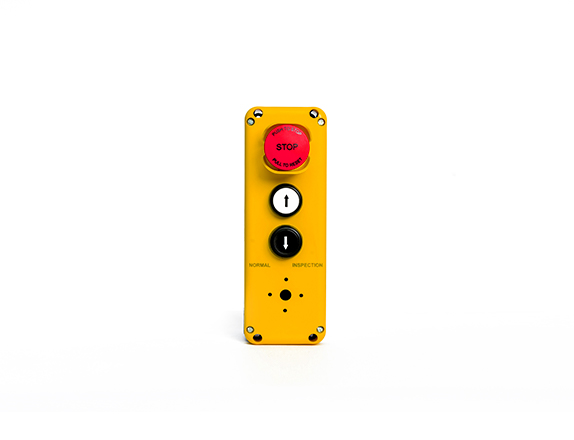
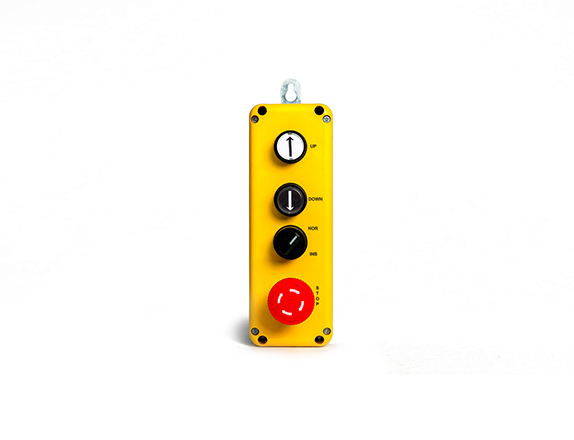
The Car Inspection Unit is a safety-certified elevator control station mounted on the roof of the elevator car, providing maintenance technicians with direct, localised control of the lift during car top inspection, maintenance, and fault diagnosis operations. When a technician accesses the car roof to inspect overhead machinery, guide rails, ropes, or car top equipment, the Car Inspection Unit gives them full, safe control of elevator movement from their working position — independent of floor calls, landing controls, and the elevator's automatic control system.
Working on top of an elevator car is one of the most hazardous activities in lift maintenance. The technician is positioned on a moving platform in an enclosed shaft, surrounded by structural steelwork, counterweights, guide rails, and overhead machinery. In this environment, the ability to control elevator movement locally and to stop the car immediately in any situation is an absolute safety prerequisite. The Car Inspection Unit provides exactly this capability, enabling the technician to move the car up or down at regulated inspection speed and to halt movement instantly whenever required.
The Car Inspection Unit is designed to meet the mandatory requirements of EN 81-20 and EN 81-50 — the European lift safety standards that govern inspection control devices — as well as equivalent international elevator safety regulations. Key mandated features include up and down directional controls for car movement at regulated inspection speed, a hold-to-run operating principle that returns the car to the stopped state the moment the directional button is released, and an emergency stop device that immediately interrupts the safety circuit regardless of any other command.
The hold-to-run operating principle is a fundamental safety feature of car top inspection control. Unlike standard push buttons that latch in the activated state, hold-to-run controls require the operator to maintain continuous button pressure throughout any movement of the elevator car. The instant the technician releases the button — whether intentionally, because of a slip, loss of balance, or unexpected event — the elevator stops. This automatic stop-on-release behaviour is the primary protection against inadvertent car movement while a technician is working on the car roof.
The unit housing is engineered for the environmental conditions of the elevator shaft — protected against dust and debris, resistant to the condensation and moisture that can affect shaft environments, and mechanically robust enough to withstand the vibration generated by elevator car travel and the incidental mechanical contact that occurs during maintenance activities in the confined shaft space.
For elevator manufacturers, lift installation contractors, and maintenance service providers specifying car top safety equipment that meets current regulatory requirements and protects technicians during the most hazardous aspect of lift maintenance, the Car Inspection Unit is the correctly designed, standards-compliant control station that car top safety demands.
Key Features
For more than 50+ years, Esbee Electrotech LLP has been a global manufacturer for electromechanical switches, phase indicators, push buttons, safety stations, LED Solutions, PCBAs for industries like footer Industrial, FMCD, FMCG, Elevators and Automobile.
© 2025 Esbee Electrotech LLP. All rights reserved.


 Datasheet
 Product Catalogue